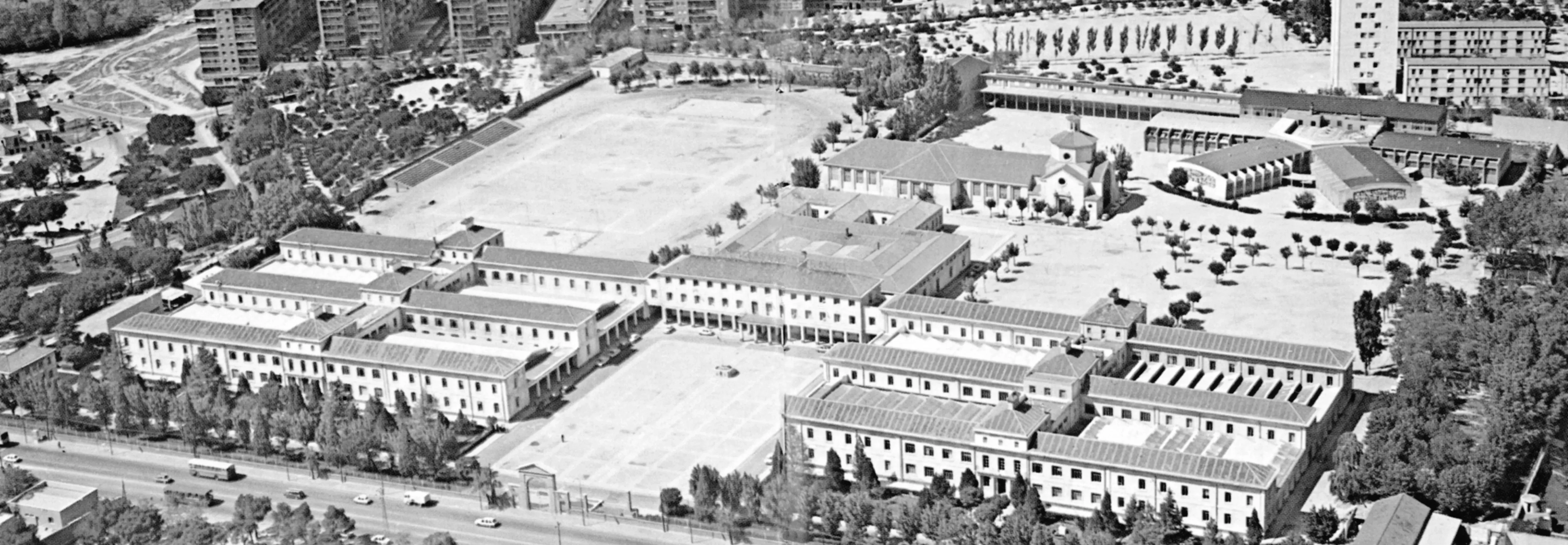
The First WorldSkills Competition - Madrid, 1950
The first international skills competition, what is known today as the WorldSkills Competition, took place in 1950 in Madrid, Spain. Born from a visionary idea, the event aimed to celebrate technical education and skilled work, both essential for rebuilding post-war Europe and preparing a new generation of capable professionals.
This inaugural edition brought together 24 young Competitors from Spain and Portugal. Although modest in scale, it marked the beginning of a global movement that today unites more than 80 countries and over 60 skill areas.
The Skills in Competition in 1950
The contests reflected the industrial and technological needs of the time - trades rooted in metalworking, electricity, and woodworking. The six official skills were: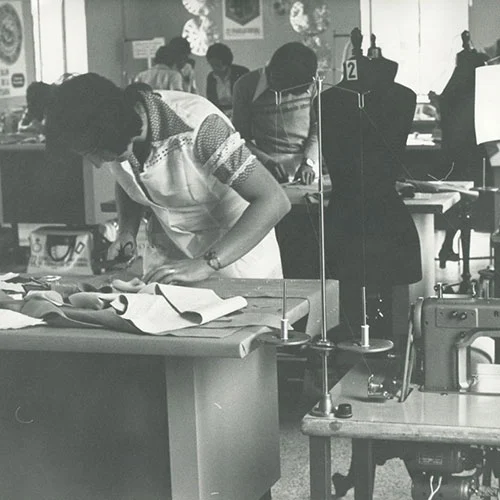
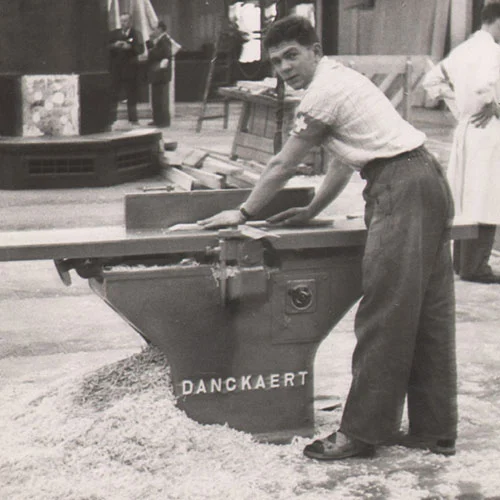
Wood Pattern Making
Wood pattern makers produced wooden models used for metal casting. These patterns required millimetre precision, as they served as templates for industrial components. The trade combined technical knowledge, manual dexterity, and accurate interpretation of mechanical drawings.
Electrical Winding
Electrical winders specialized in assembling coils for motors, transformers, and generators. The profession demanded a strong understanding of electrical circuits, conductive materials, and insulation techniques, and was vital to the development of reliable electromechanical systems.
Milling
Millers operated cutting machines (mills) to shape and finish metal parts. This trade required geometric precision, mastery of tools, and the ability to read technical blueprints, forming one of the foundations of modern mechanical production.
Turning
Turners used lathes to produce cylindrical or symmetrical components, essential for engines, gears, and industrial machinery. The skill demanded accuracy, control of speed, and knowledge of metal properties, embodying the technical spirit of the era.
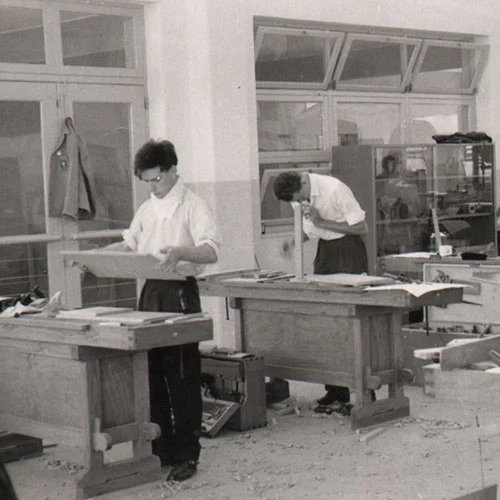
Cabinetmaking
Cabinetmakers were craftsmen specialized in fine furniture, working with high-quality woods and great attention to detail. The profession blended art and technique, requiring expertise in design, joinery, gluing, and decorative finishing.
Fitting
Fitters were responsible for adjusting, assembling, and inspecting mechanical components that were not mass-produced. Their work ensured perfect alignment and operation, relying on manual precision, blueprint reading, and the use of advanced measuring instruments.
Wood pattern makers produced wooden models used for metal casting. These patterns required millimetre precision, as they served as templates for industrial components. The trade combined technical knowledge, manual dexterity, and accurate interpretation of mechanical drawings.
Electrical Winding
Electrical winders specialized in assembling coils for motors, transformers, and generators. The profession demanded a strong understanding of electrical circuits, conductive materials, and insulation techniques, and was vital to the development of reliable electromechanical systems.
Milling
Millers operated cutting machines (mills) to shape and finish metal parts. This trade required geometric precision, mastery of tools, and the ability to read technical blueprints, forming one of the foundations of modern mechanical production.
Turning
Turners used lathes to produce cylindrical or symmetrical components, essential for engines, gears, and industrial machinery. The skill demanded accuracy, control of speed, and knowledge of metal properties, embodying the technical spirit of the era.
Cabinetmaking
Cabinetmakers were craftsmen specialized in fine furniture, working with high-quality woods and great attention to detail. The profession blended art and technique, requiring expertise in design, joinery, gluing, and decorative finishing.
Fitting
Fitters were responsible for adjusting, assembling, and inspecting mechanical components that were not mass-produced. Their work ensured perfect alignment and operation, relying on manual precision, blueprint reading, and the use of advanced measuring instruments.