Skills
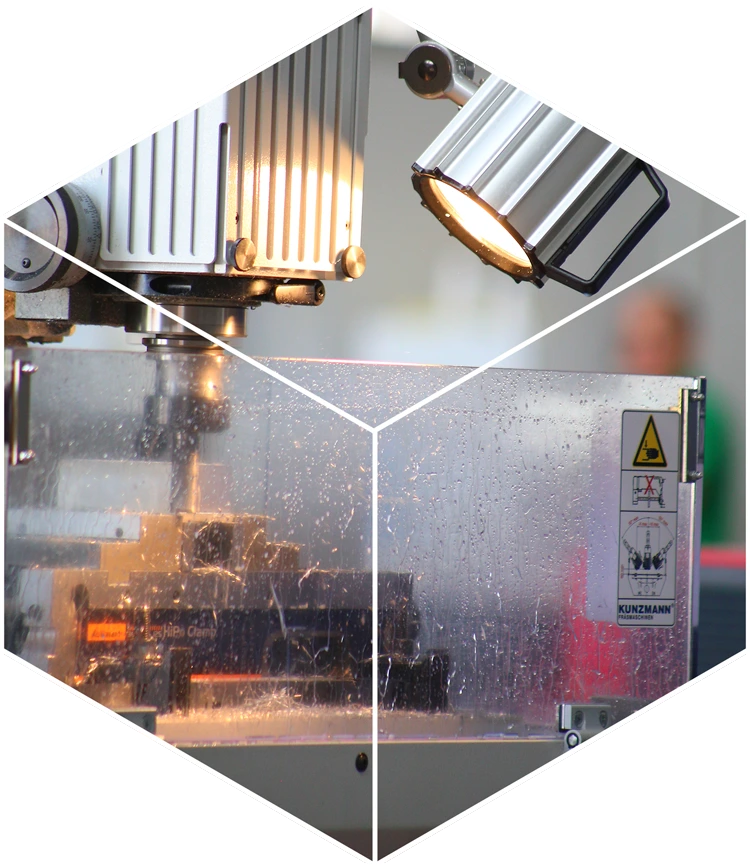
INDUSTRIAL MECHANICS
(01)
Industrial mechanics design and plan, install and commission, maintain, repair, and decommission, industrial plant. They work in a large range of industrial settings and production plants and may either have specialist knowledge about one particular industry or work across several. They may be employed within a large single plant, installing and maintaining production equipment, or work for subcontractors across a number of industrial settings. They normally work both indoors and outdoors, on small and large projects.
Concorrentes / Competitors:
Dinis S. Alves : CENFIM - Torres Vedras
Pedro Gonçalves : CENFIM - Torres Vedras
Jurados / Experts:
Luís Machado - President of the Jury : CEFP Braga
Carlos Cordeiro : CENFIM - Torres Vedras
Supervisor de Infraestruturas / Workshop Manager:
Paulo Ratão : CEFP Seixal
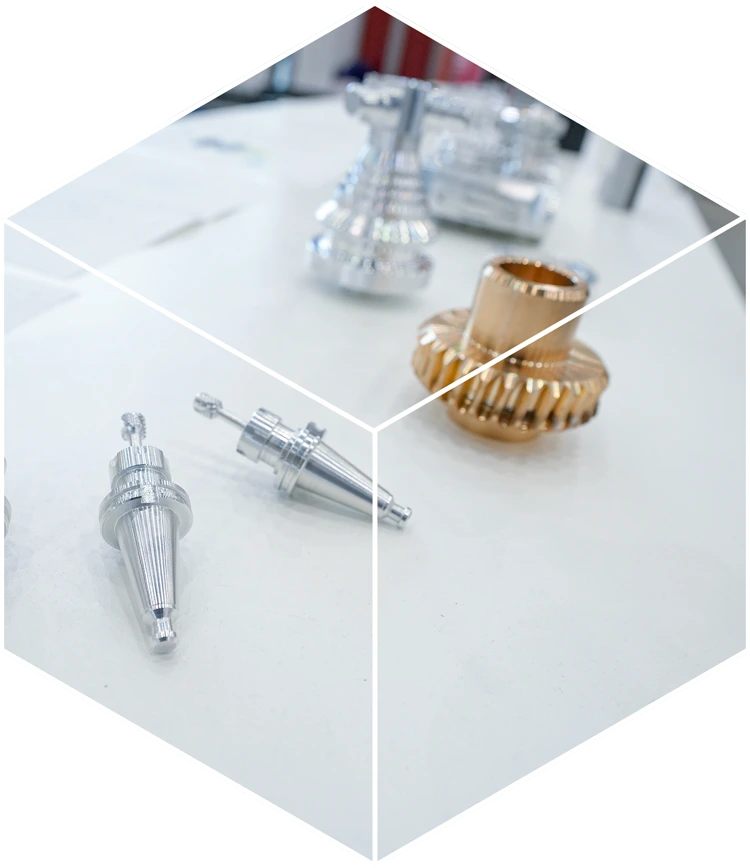
CNC TURNING
(06)
When engineers want to know if a specific part of a design is going to work, they look to CNC Turning. The finished article is used to create pieces of machinery that are often highly complex. A typical car has around 10,000 parts alone. A trained operator will be familiar with many types of materials, ensuring the dimensions of the finished piece exactly match the design specifications.
Concorrentes / Competitors:
Nicolly G. Mota : CEFP Águeda
Samuel V. Carvalho : CENFIM - Ermesinde
Jurados / Experts:
Ana Almeida - President of the Jury : CEFP Entre Douro e Vouga / SFP Rio Meão
Diogo Nóbrega : CENFIM - Ermesinde
Supervisor de Infraestruturas / Workshop Manager:
Rui A. Monteiro : CEFP Seixal
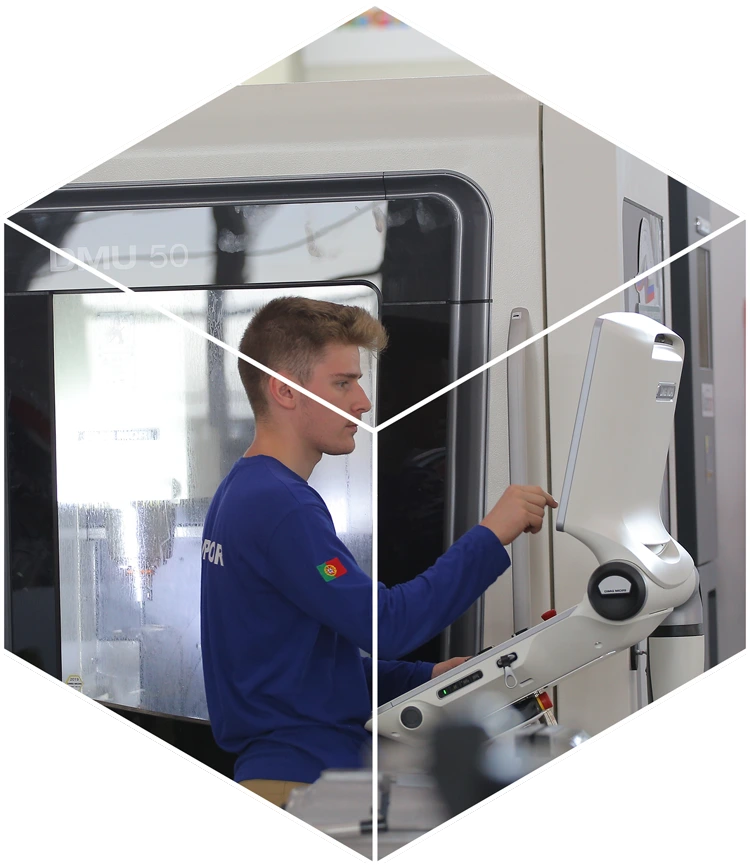
CNC MILLING
(07)
Many of the appliances and objects we use every day depend on Computer Numeric Control (CNC) Milling. It is a highly sophisticated piece of machinery that creates components using precise cutting tools. The machinist must be able to understand complex technical drawings and have knowledge and experience of computer skills and software to become a skilled machine operator with an understanding of how various metals behave during the cutting process.
Concorrentes / Competitors:
Dmitry Zhivitsa : CEFP Águeda
Roman Shvedenko : CENFIM - Amarante
Jurados / Experts:
Igor Ferreira - President of the Jury : CEFP Águeda
Pedro Silva : CENFIM - Amarante
Supervisor de Infraestruturas / Workshop Manager:
Rui A. Monteiro : CEFP Seixal
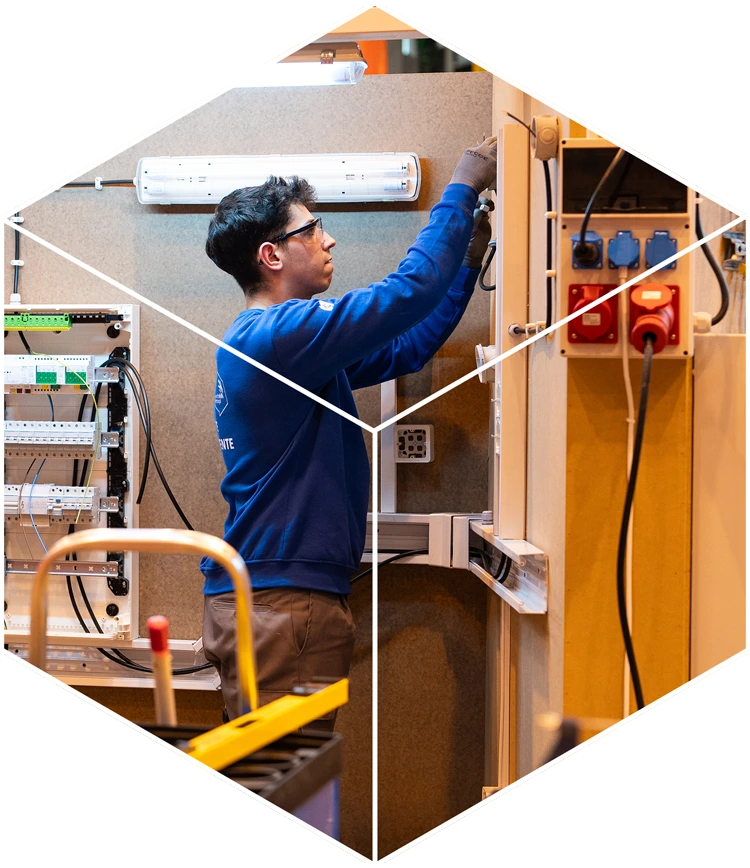
ELECTRICAL INSTALLATIONS
(18)
Electricians are needed wherever there is electricity. They can expect to work in homes, offices, factories, and even farms, carrying out maintenance and repairs, and sometimes designing and installing new systems. Given the risks associated with electricity, offering a safe and reliable service to customers is paramount. Electricians need to have an intimate knowledge of the latest safety standards and work to a strict code of safety conduct.
Concorrentes / Competitors:
Alexandre Ribeiro : CEFP Vila Real
José Pascoal Milán : SpainSkills
Jurados / Experts:
Hélder Lopes - President of the Jury : CEFP Vila Franca de Xira / SFP Alverca
Miguel Salguero Monago : SpainSkills
Supervisor de Infraestruturas / Workshop Manager:
Paulo Ratão : CEFP Seixal
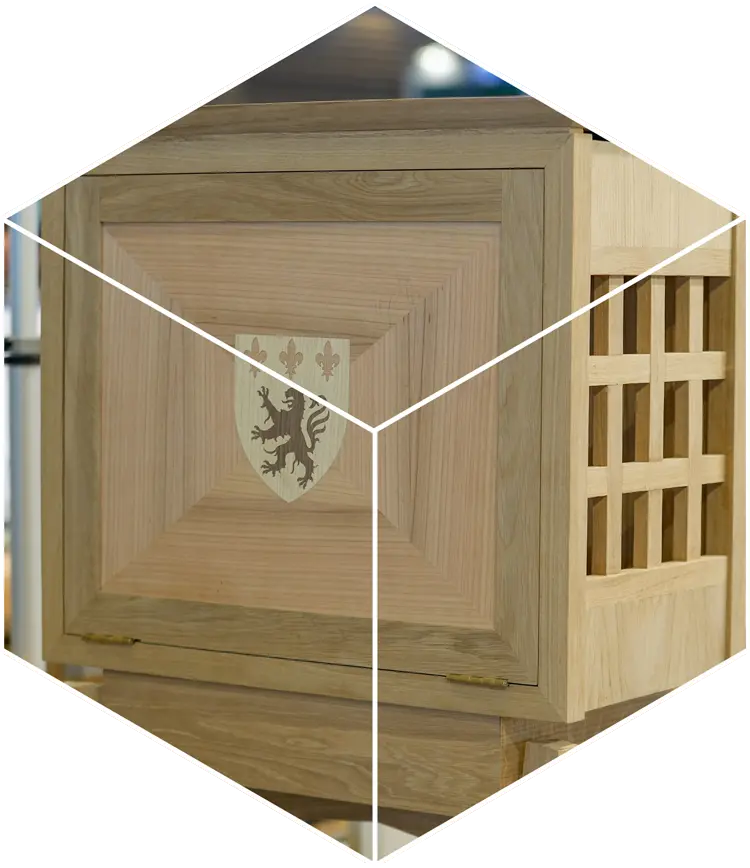
CABINETMAKING
(24)
Craftsmanship is at the heart of cabinetmaking. In an age of mass production, the cabinetmaker produces lasting work designed to be appreciated by many generations. Cabinetmakers must combine creativity and innovation with precision and accuracy and demonstrate a high appreciation of how to use the beauty of wood to best effect.
Competitors:
Alfonso Salado : SpainSkills
Pedro Cunha : CFPIMM
Experts:
Claudino Leite - President of the Jury : CEFP - Vila Real
Juan C. Ordoñes: SpainSkills
Infrastructure Supervisor:
Sérgio M. Lopes: CEFP Santarém
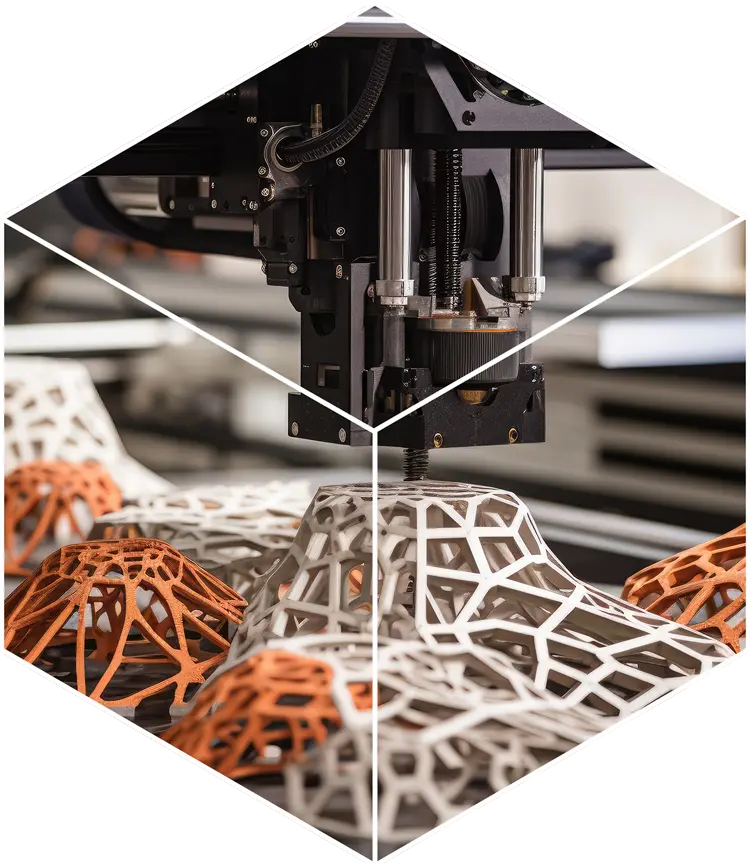
ADDITIVE MANUFACTURING
(57)
One of the newest and fastest-growing branches of engineering, Additive Manufacturing is more commonly known as 3D printing. Traditional manufacturing methods, such as milling and turning, cut away material to create the desired product. In Additive Manufacturing, layers are added in succession to achieve the same result. Additive Manufacturing can be a more agile way to create strong and complex objects, such as prototypes, for industry and designers, and with less waste. Working in Addictive Manufacturing requires a new approach to design and manufacturing. This includes a thorough understanding of the equipment for 3D printing and scanning, and the characteristics of the materials used, along with applied mathematics, geometry, and Computer Aided Design and Engineering (CAD and CAE). An understanding and imagination for the potential future uses of this technology is essential.
Competitors:
Marco E. Seixas : CENFIM - Amarante
Etelvina N. Mendonça : Instituto para a Qualificação, IP-RAM - CFP Madeira
Experts:
Ivo Góis - President of the Jury : Instituto para a Qualificação, IP-RAM - CFP Madeira
Luís Ferreira: CENFIM - Amarante
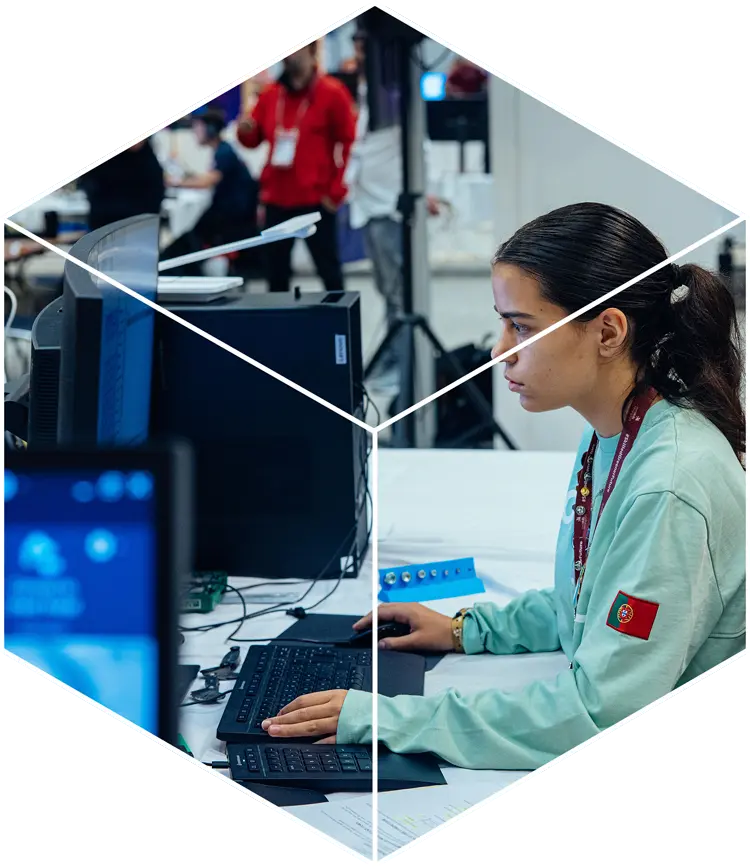
MECHANICAL ENGINEERING CAD
(05)
Computer aided design (CAD) uses specialist software to create two- and three-dimensional images and animations of projects both in manufacturing and for use in advertising and technical manuals. CAD can convey many types of information, including dimensions, types of material, and tolerances and is essential in offering solutions to both engineering and manufacturing problems. By producing photorealistic animations and videos, it can simulate how a design will function in the real world.
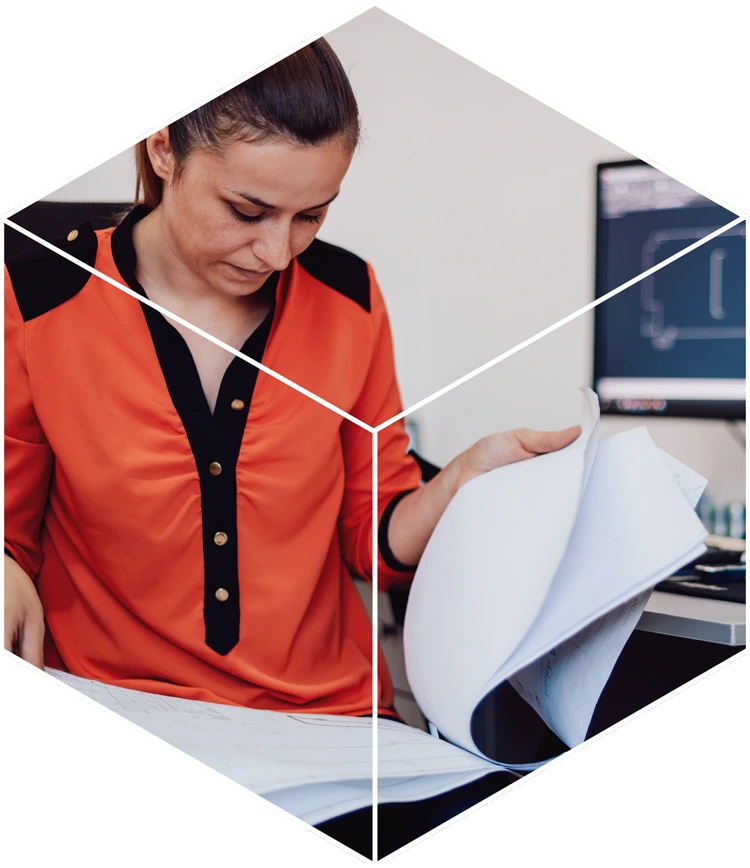
INDUSTRIAL DESIGN TECHNOLOGY
(59)
Consumer products for mass consumption both work well and look good. This is the role of Industrial Design Technology, which also makes sure that a new product is technically feasible to make, meets the need in the marketplace, and can be sold at an acceptable price. Industrial Design Technology combines design and engineering. In smaller companies and start-ups, this can mean covering all stages of the process or working as part of a team in larger organizations. Industrial Design Technology requires a wide range of skills and understanding, including market research, design, engineering, product analysis, materials, and good communication. You should understand the process of product creation, from concept to production, be good at problem-solving, and be aware of all the tools and techniques to support design and development.
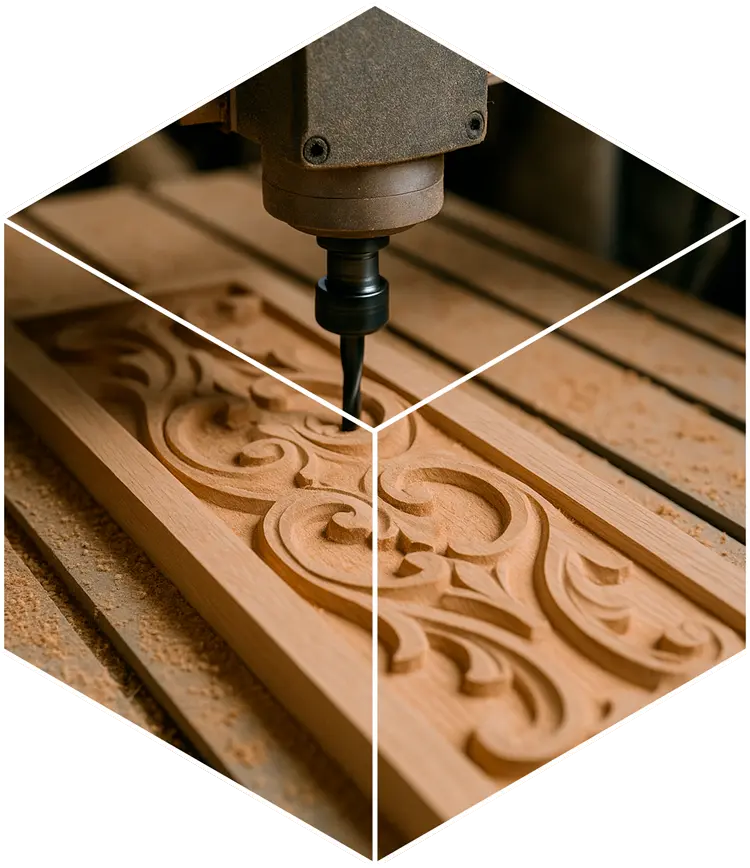
CNC WOODWORK
(SP01)
The CNC Woodworking Technician profession combines technology and creativity to transform wood into furniture, structures, and unique objects. Using computer-controlled machines (CNC), these professionals follow digital designs to cut, shape, and assemble wood parts with high precision and attention to detail.
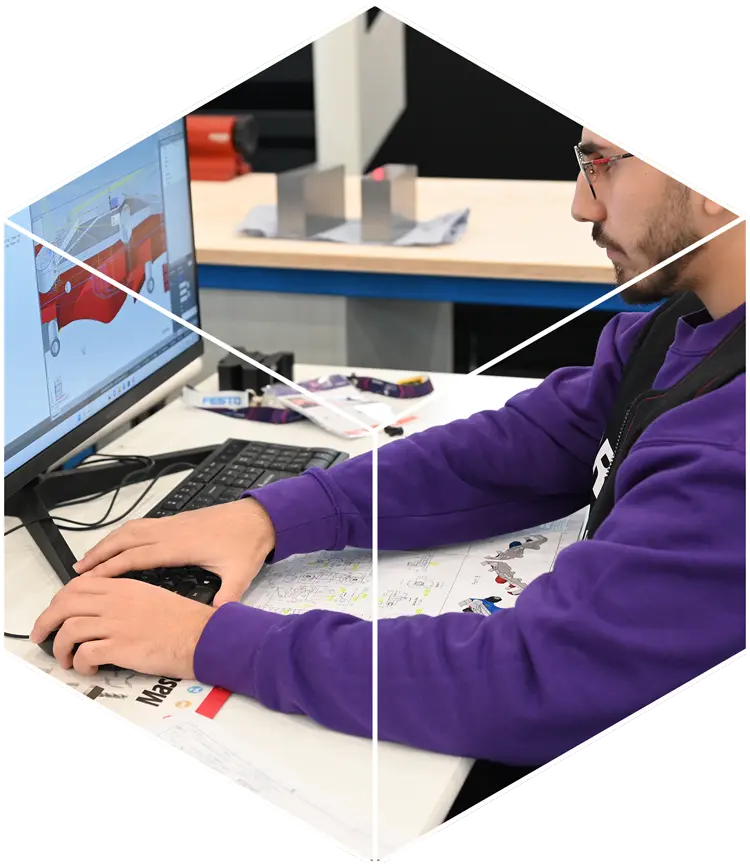
CAM (COMPUTER-AIDED MANUFACTURING)
(SP02)
The CAM Technician for Milling and Turning is a skilled professional who brings digital designs to life using advanced manufacturing technologies. Working with CAM (Computer-Aided Manufacturing) software, they program CNC machines to shape metal or other materials with extreme precision, creating essential components for industries like automotive, aerospace, medical, and more.
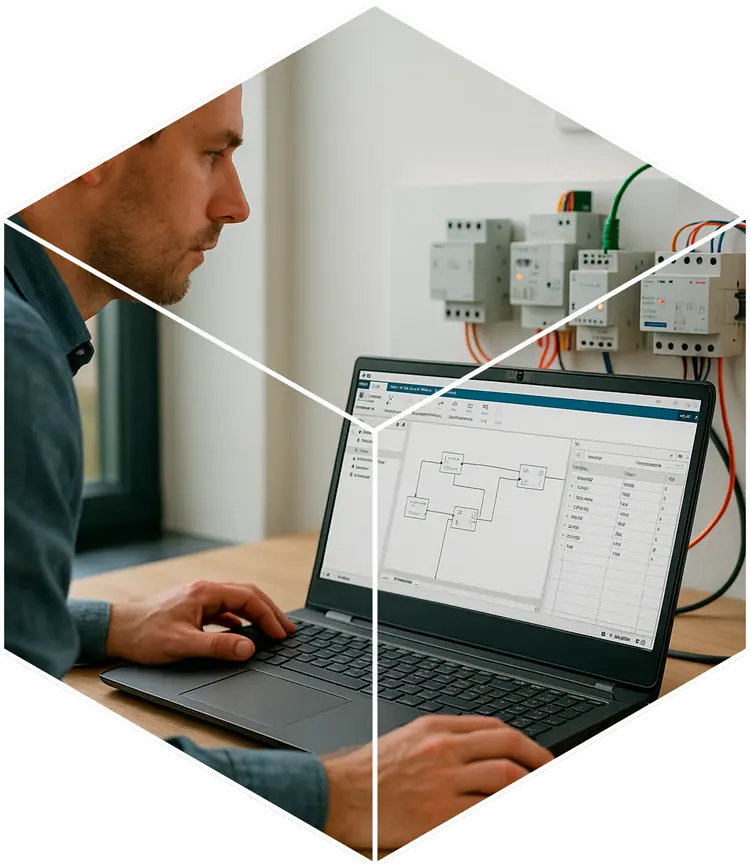
ELECTROTECHNICAL PROJECT
(SP03)
An Electrical Engineer is a professional who designs, develops, and maintains electrical systems that power our modern world. From renewable energy to smart homes, electric vehicles to advanced robotics, electrical engineers are behind the innovation that keeps everything running safely and efficiently.